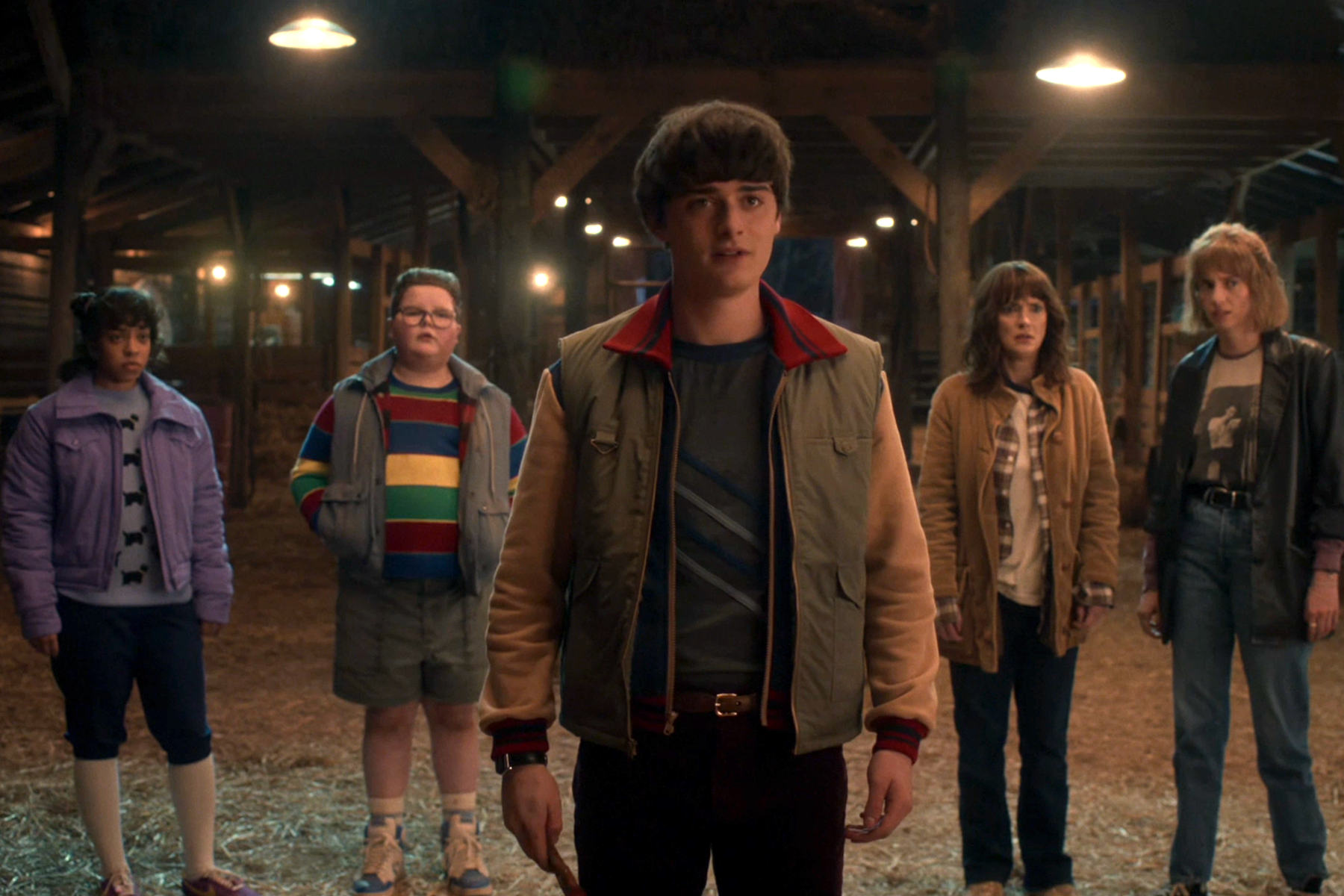
As the sun finally sets on Stranger Things, Rob Dyson, reflects on its cultural impact [no spoilers!] and legacy.
Stranger Things arrived in the summer of 2016, when synthwave was in full swing, vaporwave had a few years under its belt, and 1980s nostalgia – whether half-remembered, entirely imagined, or an amalgam of both – was at its peak. Not since Drive in 2011 had a form of filmic 80s-set popular culture snared audiences to such a degree, and crossed over squarely into the mainstream.
What started as slice of smalltown sci fi with enough nods to Spielberg, Zemeckis, and Hughes to satisfy millennials and Gen Xers alike, became an obsession for greater audiences as housebound Gen Z’s and older viewers discovered it during the Pandemic.
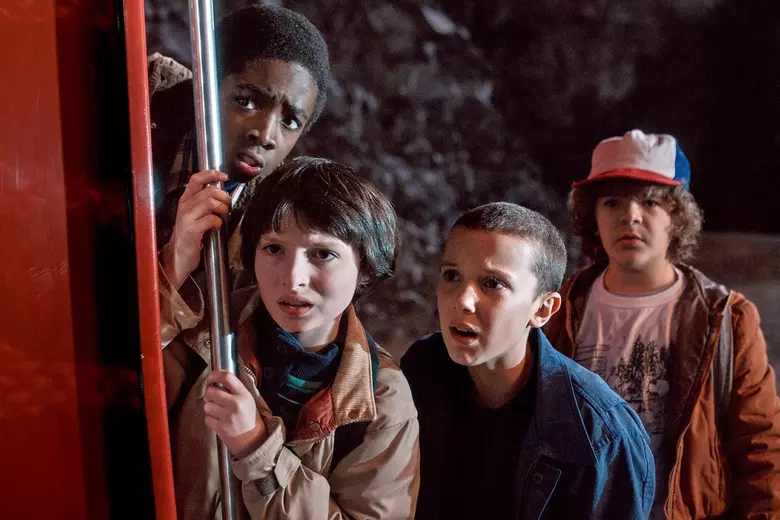
As the third season wrapped, and the fantastic Stranger Things Secret Cinema experience in London was drawing to its end, little did we know the burgeoning live scenes of synthwave and vaporwave would cruelly end; as we all had to pivot from IRL to URL.
Stranger Things, with its synth score and achingly 80s architypes of board game demagorgons, BMX’s riding into the suburban night, and teenage mall culture, hit a spot like nothing else.
Its soundtrack in particular, authored by two members of analog electronic band SURVIVE, Kyle Dixon and Michael Stein – who had been twiddling the synth nobs since around 2010 – was key to Stranger Things’ retro-rooted sense of 80s sci-fi horror. SURVIVE’s 2016 album, RR7349, likely drew greater attention as Dixon and Stein’s names became so well known; emblazoned in those VHS-style credits.
As an aside, one of its core stars, Joe Keery who plays rogue turned hero Steve Harrington, has had his own four-year old song catapulted to the top of Spotify’s streaming stats as a result of the show’s success. Keery had kept his songwriting career separate for years, but Stranger Things sleuths proudly discovered – and streamed the shit out of – his alter ego, Djo.
For fans of retro culture, we mainlined Stranger Things. Both the show and its 80s inspired score represented precisely what we longed for – a simpler time, an analogue time, and a dreamed version of the 1980s where we could be kids forever, and the bad guys were demons – not real people in our politics, schoolyards, and neighbourhoods.
By the time the fourth season dropped on our TV’s, laptops, and phones, we were two years deep into Covid; and the show wallpapered and soundtracked our lives as we started to emerge, blinking, into a changed world. Synthwave artists drew on its themes and iconography, as new bedroom producers were citing the show, and Dixon and Stein, as an influence – just as Drive and its soundtrack had been for some of the early pioneers of the dual genres of synth and vapor.
And now, finally, Stranger Things is over.
No spoilers here, but this viewer found the finale very satisfying, as it somehow managed to reanimate these now voice-broken men and grown-ass women into the tweens and teens they began as. The shows’ denouement was beautifully poignant, as it both hinted at passing the baton on, and contained John Hughes-inspired scenes where the older gang faced the existential melancholy that comes with realising that last bike ride with your pals really was the finale of your childhood; and you’d never sit around that kitchen table again with other children you deemed your soulmates. Adulthood was whistling down the wind.
As dreams blend with reality, and space and time flattens even more because of the forever web, it’s exciting to wonder where we’ll go next. As internet culture itself ages and morphs, one thing is certain: even stranger things beckon.
Written by Rob Dyson